<!--
IMAGE: HERO (cover image, 1600×900)
RENDER: A 16:9 dark-mode composition on #0E0F11 showing 5 landing page hero sections arranged in a horizontal carousel, each labeled by conversion intent: (1) "SaaS free trial" with a software hero + signup form, (2) "Lead capture" with an email opt-in hero, (3) "Event registration" with a webinar/conference hero, (4) "App download" with mobile app store badges, (5) "E-commerce" with a product-focused hero. Each tile shows a representative landing page hero section. Tiles separated by thin 1px #1F2024 borders, 12px rounded corners. Bottom-left: small label "By conversion intent — 2026 benchmarks included" in mid-grey.
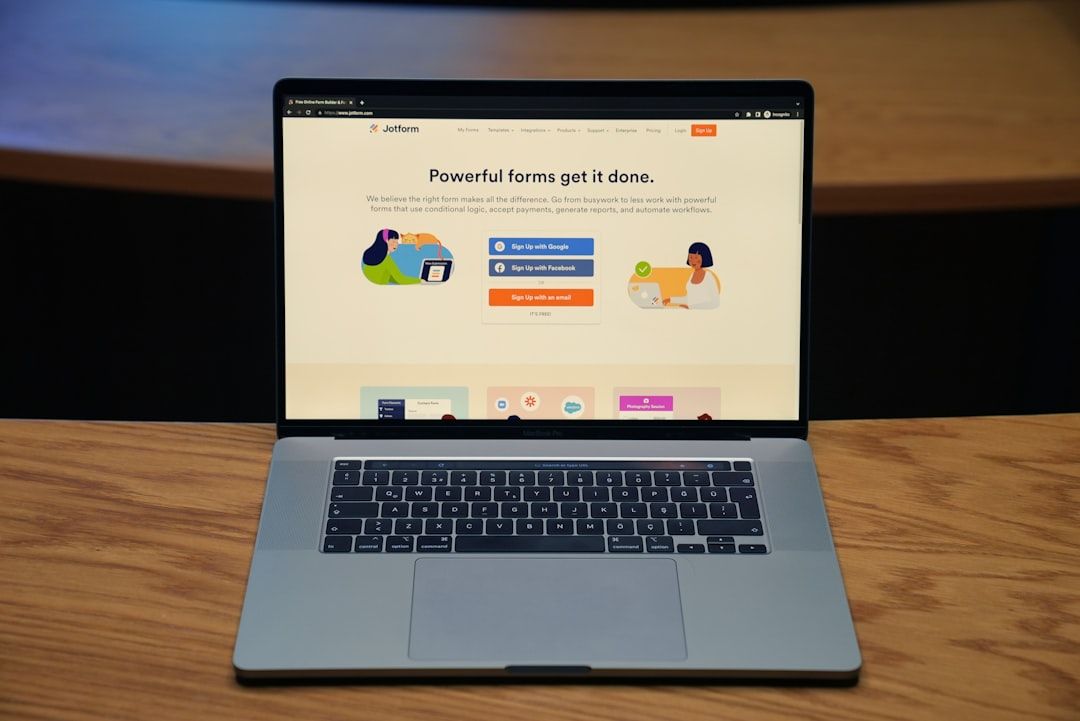
ALTERNATIVE: A single laptop mockup displaying a high-converting SaaS landing page (Cruip or Flowbite style) with the hero + pricing section visible, against a dark gradient background.
FILE: /images/blog/best-free-landing-page-ui-kits-2026-hero.png
ALT TEXT: "Best free landing page UI kits for conversion-focused design in 2026 — organized by SaaS, lead capture, event registration, app download, and e-commerce intent"
-->
You are building a landing page that needs to convert visitors into customers, signups, or leads. Maybe a SaaS free-trial page for a product you are launching. Maybe a lead magnet for the email list. Maybe an event registration page for a webinar that needs 200 signups by next Tuesday. You search for "free landing page UI kit" and the SERP gives you 30 templates in a random pile, no clear way to know which template fits which conversion intent, and zero benchmark data about what conversion rates these templates actually produce in production. Every "10 best landing page templates" listicle treats all landing pages as one category. They are not.
This guide separates them. The free landing page UI kits that actually drive conversion in 2026, organized by conversion intent: SaaS free-trial signup, lead capture, event registration, app download, and e-commerce. Every kit named with the framework, the license, the conversion intent it serves best, and where the 2026 benchmark data puts the realistic conversion ceiling for that intent type. No template-dumping. No "high-converting" claims with no data.
A note on the 2026 conversion landscape before the list. The Unbounce 2026 Conversion Benchmark Report puts the median dedicated landing page conversion rate at 4.02%, with a 7x spread between best and worst industries. SaaS free-trial pages median 3.8-7.2% depending on the source; webinar registration pages reach 12.3-22.8%; e-commerce product pages run 1.5-3.7%. The kits below are matched to the conversion intent where 2026 benchmark data supports their use. Single-field forms convert at 13.4%. Three-field at 10.1%. Five-field at 7.8%. Nine-field drops to 3.6%. Every kit recommendation accounts for the form-field math.
Skip to the comparison table for the short version. Read on for the reasoning behind each pick.
All 12 landing page kits in this guide are curated on Mantlr — sorted by conversion intent, framework, and license. Find the right one in minutes.
Free landing page UI kits at a glance
IMAGE: HERO (cover image, 1600×900)
<!-- IMAGE: comparison table preview, alt text: "Free landing page UI kits 2026 comparison by conversion intent, framework, conversion benchmark, and license" -->
| Conversion intent | Best kit | Framework | Median conversion | License |
|---|---|---|---|---|
| SaaS free trial | Cruip free templates | HTML, Tailwind, Next.js | 3.8-7.2% | Free with attribution |
| SaaS free trial (code) | Vercel Next.js SaaS Starter | Next.js, Tailwind, shadcn/ui | 3.8-7.2% | MIT (free) |
| Component-based marketing | Flowbite Blocks | Tailwind, multi-framework | Varies by intent | Free + paid Pro |
| Marketing component library | HyperUI | HTML + Tailwind | Varies by intent | Free, MIT |
| Lead capture / opt-in | Stone (Astro) | Astro + Alpine.js | 10-19% (single-field) | Free, MIT |
| Lead capture (Figma) | Figma Community lead-cap templates | Figma | 10-19% (single-field) | Free with account |
| Event / webinar registration | Once UI for Webinars | React, Once UI design system | 12.3-22.8% | Free, MIT |
| App download | Aplios / MobileApp Tailwind | Tailwind, HTML | 3-8% (app install) | Free, MIT |
| E-commerce product | Vercel Commerce | Next.js, shadcn/ui, Stripe-ready | 1.5-3.7% | MIT (free) |
| Multi-purpose (Webflow) | Webflow free Marketplace templates | Webflow | Varies | Free + Webflow plan |
| Multi-purpose (Framer) | Framer Blocks UI kit | Framer | Varies | Free + Framer plan |
| AI-augmented landing page | Horizon UI free / Once UI + AI | Next.js, Tailwind, OpenAI | 4-8% (SaaS) | Free, MIT |
All twelve kits have free tiers usable for commercial work. Verify per-asset license terms before deployment. Conversion benchmarks are median figures from the Unbounce 2026 Conversion Benchmark Report and First Page Sage 2026 B2B data; your actual conversion depends on copy quality, audience, traffic source, and offer.
How to read this list: conversion intent is everything
Before the kits, the framework that makes the list useful. The single biggest mistake in landing page design is treating "landing page" as one category. It is at least five distinct intents, each with different conversion mechanics:
SaaS free trial / signup asks the visitor for an email + password to create an account they will use repeatedly. Median 3.8-7.2%. Friction comes from credit card required, signup form length, social proof gap. Top performers exceed 15% by leading with "No credit card required" and reducing form to email + password only.
Lead capture (opt-in) asks for an email in exchange for a lead magnet (ebook, template, checklist, course access). Median 10-19% for single-field opt-ins. Webinar registration pages reach 22.84%. The commitment is low and reversible, which is why opt-in pages convert several times higher than SaaS signup pages.
Event / webinar registration asks for email + name + occasionally job title to register for a live event. Median 12.3-22.8%. Higher than generic opt-in because the value (live attendance, limited slots) is time-bounded and concrete.
App download asks the visitor to install a mobile app. Median 3-8% click-through to App Store / Play Store; final install rate is significantly lower because users abandon at the store. Best optimized as App Store badge + 1-3 screenshots + 1 testimonial above the fold.
E-commerce product asks the visitor to make a purchase. Median 1.5-3.7%. Highest commitment, highest friction, lowest conversion rate. Optimization focuses on product imagery, trust signals (reviews, return policy, payment options), and reducing checkout friction.
Choose a kit matched to your intent. A SaaS template applied to an event registration page leaves 5-10 percentage points of conversion on the table. A lead capture template applied to e-commerce confuses the buyer about what they are doing on the page.
SaaS free trial / signup kits
The median SaaS free-trial landing page in 2026 converts at 3.8-7.2%. The free kits below are optimized for that conversion intent.
1. Cruip free templates
Best for: SaaS free trial, startup product launches, lean marketing sites | Framework: HTML, Tailwind CSS, Next.js, React variants | Conversion intent: SaaS signup | License: Free with attribution to Cruip; remove-attribution license available
Cruip ships some of the most polished free SaaS landing page templates available in 2026. The free tier includes templates like Tidy, Open, Simple, and several others built specifically for SaaS marketing patterns: hero with bold value proposition, three-up features grid, pricing table with monthly/annual toggle, testimonial section, FAQ accordion, and CTA. The visual style is restrained, modern, and conversion-focused rather than ornamental.
What makes Cruip the right starting point: the templates are designed by someone who understands SaaS landing page conversion mechanics, not just visual design. The hero sections follow the 2026 best practice of benefit-led headlines (which outperform feature-led by 27%) and single primary CTAs (which outperform multi-CTA pages by 29%). The pricing tables follow the convention buyers know from competitors, which removes one friction point.
Where it falls short: the free tier requires attribution to Cruip in the footer. For commercial work where you want to remove the attribution, the paid license is required ($199-249 depending on the bundle). The free tier visual style is also opinionated enough that several SaaS sites visibly using Cruip templates exist in 2026; differentiation requires real customization.
2. Vercel Next.js SaaS Starter (Code path)
Best for: Production-grade SaaS launch on Next.js, full-stack starter | Framework: Next.js 15+, PostgreSQL, Drizzle ORM, Stripe, shadcn/ui, Tailwind CSS | Conversion intent: SaaS free trial with full backend | License: MIT (free, commercial use allowed)
The Vercel Next.js SaaS Starter is the official Vercel-built template with 15,500+ GitHub stars in 2026. It ships a marketing landing page with animated terminal demo, Stripe Checkout pricing page, JWT authentication, RBAC (Owner/Member roles), team management dashboard, activity logging, and route protection middleware. This is the only free SaaS kit on this list with a working backend that handles real signups, real payments, and real customer accounts out of the box.
What makes it the right pick over template-only kits: the conversion path from landing page to paid customer is fully wired. Visitor lands → reads pricing → clicks "Start trial" → creates account → enters payment → becomes customer, all in one codebase with no third-party SaaS-as-a-platform required. For technical founders launching SaaS in 2026, this saves 4-6 weeks of backend integration work.
Where it falls short: lean by design, which means the marketing page itself is functional rather than visually distinctive. You will spend customization time on the marketing surface even though the backend is production-ready.
Component-based marketing kits
These ship marketing sections (heroes, pricing tables, testimonials, FAQs) as composable components rather than fixed templates. You assemble pages from blocks rather than customizing complete templates.
3. Flowbite Blocks
Best for: Multi-framework teams, designers and developers working from the same source | Framework: Tailwind CSS, with adapters for React, Vue, Svelte, Angular, HTML | Conversion intent: Multi-purpose (works for SaaS, agency, business landing pages) | License: Free tier covers core blocks; paid Pro adds 400+ premium components ($249-499)
Flowbite Blocks is the largest free Tailwind landing page section library in 2026. The free tier covers all the standard marketing sections — heroes, feature grids, pricing tables, testimonials, team sections, FAQ accordions, newsletter signups, footers — with light/dark mode support and Tailwind v4 compatibility. The Figma design system integration means designers and developers work from the same component source of truth.
What makes Flowbite the right starting point: the multi-framework support is unusually broad. Most landing page libraries lock you into React or HTML. Flowbite ships official adapters for React, Vue, Svelte, Angular, and plain HTML. For teams across multiple frameworks or for projects that need to export designs to vanilla HTML for landing page builders (Unbounce, Instapage), Flowbite handles cross-stack work better than alternatives.
Where it falls short: the free tier visual style is professional but somewhat generic. Differentiation requires significant typography and color customization. The paid Pro tier unlocks more polished and varied components but moves out of "free" territory.
4. HyperUI
Best for: Copy-paste marketing components, beginners, projects without a Tailwind plugin setup | Framework: HTML + Tailwind CSS, no JavaScript | Conversion intent: Marketing page sections across all intents | License: Free, MIT licensed
HyperUI is the copy-paste alternative to Flowbite. The library ships 100+ marketing components (heroes, pricing tables, testimonials, feature sections, footers, CTAs) as pure HTML + Tailwind classes with no JavaScript dependency. For landing pages where you do not want JavaScript runtime overhead or where you cannot install a Tailwind plugin, HyperUI is the simplest path to marketing-page components.
What makes it the right pick for many projects: the copy-paste workflow is faster than installing a framework. You browse the component library, copy the HTML snippet for the section you want, paste it into your project, and customize. No npm install, no build configuration, no plugin maintenance.
Where it falls short: no JavaScript means no dropdowns, modals, or stateful UI in HyperUI's components. For interactive elements, you pair HyperUI with Flowbite, Preline, or AlpineJS. The component count is smaller than Flowbite's full library.
Lead capture and opt-in kits
The median lead capture page converts at 10-19% for single-field opt-ins. Single-field forms convert at 13.4%, three-field at 10.1%, five-field at 7.8%. Form length is the single most reliable conversion lever.
5. Stone (Astro)
Best for: Lightning-fast lead capture pages, SEO-critical marketing sites | Framework: Astro + Alpine.js | Conversion intent: Lead capture, opt-in pages | License: Free, MIT
Stone is a free Astro-based landing page template optimized for the fastest possible load times. Astro's zero-JS-by-default architecture means Stone ships minimal JavaScript to the browser, which directly impacts Core Web Vitals — and page speed correlates strongly with conversion (every 1-second delay on mobile increases bounce rate by 8.3% in 2025-2026 data).
What makes Stone the right pick for lead capture specifically: page speed is the silent conversion killer. A landing page that loads in 4 seconds converts roughly 30% worse than one that loads in 2 seconds, all else equal. Stone's architecture gets you to sub-2-second load times without significant performance engineering. For email opt-in pages where the only ask is "give us your email for the lead magnet," Stone's combination of speed + simplicity is conversion-optimal.
Where it falls short: Astro is less familiar to most React developers. The learning curve is real if your team is React-first. For pure speed wins on simple opt-in pages, Stone is worth the framework switch; for complex multi-page sites, sticking with Next.js may be more practical.
6. Figma Community lead-capture templates
Best for: Designers building lead capture mockups before development | Framework: Figma file | Conversion intent: Lead capture, opt-in pages, lead magnets | License: Free with Figma account; per-template licenses vary
The Figma Community has hundreds of free lead-capture landing page templates. The best ones in 2026 follow the data-driven structure: single-field email form above the fold, lead magnet value proposition in one sentence, one supporting paragraph, social proof bar with 3-5 logos or testimonials, and a footer. Most templates also ship with mobile variants ready for the 64% of mobile visitors who never scroll past the first viewport.
What makes the Figma Community route useful: speed of iteration. You can produce 3-5 lead capture variations in an afternoon for A/B testing, hand them off to a developer or build them yourself in a no-code builder. For testing offers and copy variations before committing to a design, Figma + the Community templates beats any code-first approach.
Where it falls short: the templates need to be built in code or a builder before they can convert anything. Figma alone does not collect emails. Pair with Formspree, Tally, or your email service provider's embed for the actual capture.
Event and webinar registration kits
Event registration pages reach 12.3-22.8% conversion in 2026 because the value (live attendance, limited slots) is time-bounded and concrete. Free kits optimized for this intent are rarer than SaaS templates.
7. Once UI for Webinars (or webinar-specific Cruip templates)
Best for: Webinar registration, event marketing, virtual conference signup | Framework: React + Once UI design system | Conversion intent: Event registration | License: Once UI is free under MIT; per-template licenses vary
Once UI is a 2025-2026 React design system that ships templates for several conversion intents including webinar and event registration pages. The webinar templates follow the proven structure: time-bounded value proposition (date + time + duration above the fold), speaker bios with credibility signals, agenda preview, registration form (typically email + name + 1-2 qualifying questions), and a social proof section with past event testimonials.
What makes the structure work: the 2026 webinar registration benchmark of 22.84% conversion comes from pages that get this structure right. The single highest-leverage section is the time-bounded urgency (specific date + time + speaker, not "Coming soon"); the second is qualification fields kept under 3 to maintain the high conversion rate.
Where it falls short: Once UI is newer than Tailwind/shadcn-based alternatives. The community is smaller. For teams already on Tailwind + shadcn, building a webinar registration page from Flowbite Blocks + the structural guidance above produces equivalent results with familiar tooling.
App download kits
App download landing pages run 3-8% click-through to App Store / Play Store, with final install conversion significantly lower due to abandonment at the store.
8. Aplios / MobileApp Tailwind templates
Best for: Mobile app marketing, iOS / Android app launches | Framework: Tailwind CSS, HTML, sometimes Next.js | Conversion intent: App store click-through | License: Free Tailwind templates available; verify per-template
Free app landing page templates on Tailwind / HTML stacks ship the conventions buyers expect from app marketing pages: hero with phone mockup + app screenshot, three feature sections with phone mockups, App Store + Google Play badges, video demo or animated demo, social proof, and FAQ. The visual conventions are standardized enough that the 2026 app landing page benchmarks reward sticking close to the format rather than innovating on it.
What's worth knowing: 2026 app marketing benchmarks favor video over static screenshots in the hero section, but only if the video starts with the app's primary user benefit in the first 3 seconds. Pages with animated demos that take 8 seconds to communicate value convert worse than pages with a static screenshot + clear headline.
Where it falls short: the free app landing page template space is less well-resourced than SaaS landing pages. Many free options are 2-3 years old and miss 2026 conventions (App Store badge updates, iOS 18 / Android 16 device frame updates, video-first heroes).
E-commerce kits
E-commerce product landing pages run 1.5-3.7% conversion in 2026, with optimization focused on product imagery, trust signals, and checkout friction reduction.
9. Vercel Commerce
Best for: Modern e-commerce on Next.js + Shopify | Framework: Next.js 15+, shadcn/ui, Tailwind, Shopify backend | Conversion intent: E-commerce product sales | License: MIT (free, commercial use)
Vercel Commerce is the official Vercel + Shopify e-commerce starter, MIT licensed and free for commercial use. It ships a complete e-commerce frontend (homepage, product listings, product detail pages, cart, checkout flow) wired into Shopify's backend for inventory, payments, and order management. The marketing landing page sections (hero, featured products, collection grids, footers) follow current Next.js conventions.
What makes it the right pick for e-commerce in 2026: the Shopify backend integration handles the operational complexity (inventory, taxes, shipping, returns, payments) that template-only e-commerce kits leave for you to build. The frontend gives you full design control without locking you into Shopify's themes.
Where it falls short: Shopify dependency. If you are using WooCommerce, BigCommerce, or building your own commerce backend, Vercel Commerce requires meaningful adaptation.
Multi-purpose visual builder kits
For designers and founders who prefer no-code visual builders over code, Webflow and Framer both offer free landing page templates. The specific picks are covered in depth elsewhere on Mantlr; the comparison points below cover when each is the right choice.
10. Webflow free Marketplace templates
Best for: No-code landing pages with CMS, designer-friendly customization | Framework: Webflow | Conversion intent: Multi-purpose | License: Free template + paid Webflow Site Plan ($15-23/mo) for custom domain
Webflow's free Marketplace templates cover landing pages for SaaS, agency, business, and product use cases. The free template is genuinely free; launching with a custom domain requires Webflow's Basic plan ($15/month annual) or CMS plan ($23/month annual). For designers who prefer visual building over code, Webflow's combination of design control, CMS, and SEO foundation is the strongest no-code option in 2026.
For the detailed picks of free Webflow templates including portfolio variants, see the free Webflow portfolio templates guide on Mantlr. For the broader Webflow vs Framer comparison, see the comparison points in the free Framer SaaS templates guide.
11. Framer Blocks UI kit
Best for: Designers who want maximum visual control without writing code | Framework: Framer | Conversion intent: Multi-purpose, especially SaaS | License: Free + paid Framer plan ($10/mo annual for custom domain)
Framer's Blocks is the official free SaaS UI kit shipping 100+ pre-designed marketing sections you assemble into a custom landing page. Faster than picking a fixed template; more polished than building from scratch. The pricing reality: free Blocks + free Framer plan = your site lives on framer.website subdomain; custom domain requires Basic at $10/month annual.
For the detailed Framer template picks, see the free Framer SaaS templates guide.
AI-augmented landing pages
A 2026 trend worth flagging: AI-personalized landing pages outperform generic landing pages by 11% in B2B lead generation and 13% on SaaS free-trial pages with returning-visitor personalization. AI-drafted-then-human-edited copy outperforms AI-only drafts by 22% and matches senior copywriter output. Full-page AI generation without human review underperforms control by 7% on average.
12. Horizon UI free + AI integrations
Best for: AI-augmented SaaS marketing, conversion-personalized landing pages | Framework: Next.js, Tailwind, OpenAI API integration | Conversion intent: SaaS with AI personalization layer | License: Free (Horizon UI free tier under MIT)
Horizon UI's free tier includes a Next.js + Tailwind + shadcn/ui starter with pre-wired OpenAI API integration for AI chat features. For landing pages that benefit from AI-personalized headlines (matching the visitor's industry, role, or company size based on enrichment data) or AI-driven ROI calculators in the hero section, Horizon UI provides the technical foundation without requiring you to build the AI integration from scratch.
What's worth knowing: AI personalization on landing pages is high-ROI when implemented well (AI-edited copy with human review, persona-specific headline variants, geo-personalized hero images) and counterproductive when implemented badly (full-page AI-generated copy with no human review). The data is clear: human-in-the-loop AI lifts conversion; AI-only undermines it.
Where it falls short: Horizon UI's broader template library skews dashboard-focused rather than marketing-page-focused. For pure landing page work, pair Horizon UI's AI integration patterns with Cruip or Flowbite Blocks for the marketing surface.
What converts in 2026: the design patterns that move the needle
Beyond the kit choice, six design patterns drive conversion based on 2026 benchmark data. Apply these to whatever kit you choose; the kit itself is a starting point, not a finish line.
Single primary CTA above the fold. Single-CTA pages convert at 13.5% vs 10.5% for pages with multiple CTAs — a 29% improvement from eliminating the paradox of choice. Every additional link or button dilutes the primary conversion action. Remove navigation menus from dedicated landing pages; they are the most common silent conversion killer.
Form fields kept under 5. Single-field forms (email only) convert at 13.4%. Three-field at 10.1%. Five-field at 7.8%. Seven-field at 5.3%. Nine-field forms drop to 3.6%. The steepest drop happens between four and seven fields. Multi-step forms outperform single-page forms with the same total fields by 21% on average.
Benefit-led headlines with concrete numbers. Benefit-led headlines outperform feature-led headlines by 27%. Headlines with specific numbers (a percentage, a dollar amount, a time saving) outperform vague benefit statements substantially. 80% of landing page visitors read only the headline and the first sentence of the subhead before deciding whether to continue.
Mobile-first form layout. 64% of mobile visitors never scroll past the first viewport. Mobile drives 82.9% of landing page traffic but converts 8% worse than desktop. Mobile-specific optimizations: large touch targets (44×44px minimum), single-column forms with one field per row, social proof above the fold rather than buried below, no horizontal scrolling, and form submission that does not require closing the keyboard.
5th-7th grade reading level copy. Pages written at a 5th-7th grade reading level achieve 11.1% conversion vs 5.3% for professional college-level copy. Counterintuitive for B2B marketers who associate complexity with credibility, but simpler language reduces cognitive load and reduced cognitive load converts better. Run your landing page copy through Hemingway Editor; aim for grade level 6.
Page load under 2 seconds. Page speed correlates strongly with conversion. Every 1-second delay on mobile increases bounce rate by 8.3% in 2025-2026 data. For lead capture and SaaS signup pages, sub-2-second load times are table stakes. Astro-based templates (Stone), static-first Next.js setups, and aggressive image optimization (WebP/AVIF, lazy loading) are the levers.
How to actually pick a kit in 2026
Decision framework based on your conversion intent:
If you are building a SaaS free-trial landing page: start with Cruip free templates for design polish or Vercel Next.js SaaS Starter if you need backend integration. Target 5%+ conversion as a working baseline; iterate toward 10%+ over 2-3 months of optimization.
If you are building a lead capture / opt-in page: start with Stone (Astro) for speed-critical optimization or HyperUI for component-based copy-paste. Single-field email form, single CTA, benefit-led headline with a number, social proof bar. Target 10%+ conversion.
If you are building a webinar registration page: start with Flowbite Blocks + the structural guidance in section 7 above (time-bounded value prop, speaker bios, agenda, 2-3 field form). Target 15%+ conversion; webinar pages reach 22%+ when the structure is right.
If you are building an app download page: use Tailwind app landing templates with phone mockup hero + app screenshots + App Store / Play Store badges + video demo. Target 5%+ click-through to the app store; install conversion drops significantly past that point.
If you are building an e-commerce product page: start with Vercel Commerce for Next.js + Shopify or use Webflow / Framer for visual builder paths. Target 2%+ conversion on cold traffic, 5%+ on warm traffic.
If you want maximum visual control without writing code: use Webflow or Framer depending on which design tool you prefer. Both cover all landing page intents at the cost of $10-15/month for custom domain hosting.
The most common landing page mistake in 2026 is picking a kit based on visual polish without matching it to conversion intent. A beautiful agency template applied to a SaaS free trial page loses 30-50% of potential conversion because the structure doesn't match the buyer's mental model.
**Browse more landing page kits and conversion-focused resources in the Mantlr directory →**
What changed in 2025-2026 that matters
Three shifts in the landing page landscape worth understanding:
Astro became the speed-optimized choice. Astro's zero-JS-by-default architecture produces dramatically faster page loads than React-based alternatives for static landing pages. For lead capture and opt-in pages where speed correlates strongly with conversion, Astro templates (Stone, others) outperform equivalent Next.js builds. For interactive SaaS marketing pages with extensive client-side state, Next.js remains the right choice.
AI personalization moved from experimental to production. Geo-personalized hero images lift conversion by 11% in B2B lead gen. Returning-visitor personalization (skip the intro for known users) lifts conversion by 13% on SaaS free-trial pages. AI-drafted-then-human-edited copy outperforms AI-only drafts by 22%. The pattern: AI as drafting tool with human review wins; AI as autonomous generator without review underperforms.
Form field math became universally measurable. The 2026 Unbounce data on form length is consistent across millions of forms: 1 field = 13.4%, 3 = 10.1%, 5 = 7.8%, 7 = 5.3%, 9 = 3.6%. Multi-step forms outperform single-page forms by 21% with the same total fields due to sunk-cost commitment. This data is now stable enough to predict conversion impact of form changes before testing.
Frequently asked questions
What is the best free landing page UI kit for SaaS in 2026?
For SaaS landing pages in 2026, Cruip's free templates are the strongest design-focused starting point (polished design, conversion-focused structure, attribution required on the free tier). For technical founders wanting backend integration with the landing page, Vercel's Next.js SaaS Starter is the only free kit that ships a complete landing-page-to-paid-customer flow including Stripe Checkout and authentication. Both are MIT or attribution-licensed for commercial use.
What is a good conversion rate for a landing page in 2026?
The median dedicated landing page converts at 4.02-6.6% in 2026 across all industries (Unbounce 2026 Conversion Benchmark Report). The top 25% exceed 10%; the top 10% exceed 11.45%. Industry variance is enormous: SaaS free trials median 3.8-7.2%, event registration pages reach 12.3-22.8%, e-commerce product pages run 1.5-3.7%, financial services lead at 8.4%. A "good" conversion rate is one that exceeds your industry median by 20% or more; the cross-industry "6.6%" benchmark is too broad to be useful for any specific case.
How many form fields should a landing page have?
Five or fewer for most landing pages. Single-field forms (email only) convert at 13.4%; three-field at 10.1%; five-field at 7.8%; seven-field at 5.3%; nine-field at 3.6%. The conversion drop is non-linear, with the steepest decline between four and seven fields. For lead capture and opt-in pages, single-field email-only forms are the conversion-optimal choice. For SaaS signup, email + password is the minimum; collect additional qualification data post-signup. For multi-step forms (a sequence of pages with one or two fields each), the same total field count converts 21% better than single-page forms with all fields visible.
Are free landing page templates good enough for production?
Yes, for most use cases. The free templates highlighted above (Cruip, Vercel Next.js SaaS Starter, Flowbite, HyperUI, Stone) ship production-grade code quality, modern frameworks (Next.js 15+, Astro, Tailwind v4), and conversion-focused structure. The difference between free and paid landing page kits in 2026 is typically design polish, dedicated support, and section variety — not core functionality. For most SaaS launches, lead capture campaigns, and event registration pages, a well-customized free template plus 2-4 hours of conversion optimization outperforms a poorly customized $200 premium template.
What is the difference between a landing page template and a SaaS starter kit?
A landing page template gives you marketing page layouts (hero, features, pricing, testimonials, FAQ, CTA). A SaaS starter kit gives you marketing pages plus an authenticated app shell (dashboard, settings, auth flows, billing integration, team management). If you are building a marketing site for a product that already exists, a landing page template is enough. If you are launching a new SaaS product from scratch, a starter kit (Vercel Next.js SaaS Starter, Once UI for Startups) saves you 4-6 weeks of stitching landing page + authentication + database + payments together.
Should I use Webflow or Framer for a landing page?
Webflow if you need CMS-backed content (blogs, changelogs, customer stories) alongside the landing page. Framer if you prioritize speed of launch and modern animation polish over CMS depth. Webflow Basic is $15/month annual; Framer Basic is $10/month annual. Both cover custom domain hosting that the free tier subdomain alternatives (yoursite.framer.website / yoursite.webflow.io) cannot. For dedicated landing pages without ongoing content, Framer's faster launch path edges out. For marketing sites with planned content marketing, Webflow's CMS depth wins.
Do AI-generated landing pages convert better?
AI-drafted-then-human-edited landing pages outperform AI-only drafts by 22% and match senior copywriter output at significantly lower time cost. Full-page AI generation without human review underperforms control by 7% on average and is not recommended for primary traffic. AI personalization (geo-personalized hero images, returning-visitor personalization, persona-specific headlines) lifts conversion by 11-13%. The pattern: AI as drafting tool with human review wins; AI as autonomous generator without review undermines results. For landing pages, treat AI as a copy and personalization accelerator, not a replacement for human review.
What is the most important factor in landing page conversion?
Mobile experience plus form length plus headline clarity, in that order. Mobile drives 82.9% of landing page traffic but converts 8% worse than desktop; closing the mobile conversion gap is the single biggest opportunity for most teams in 2026. Form length is the next most reliable lever: reducing from five fields to one field doubles conversion in typical cases. Headline clarity is third: 80% of visitors read only the headline and first subhead sentence before deciding to continue, so benefit-led headlines with concrete numbers outperform vague feature claims by 27%. After these three, page speed (sub-2-second load), single CTA discipline, and social proof above the fold round out the highest-impact factors.
Where to go from here
Pick one kit from the list above and ship a landing page this week with the conversion best practices applied. The 2026 free landing page stack is mature enough that the kit choice matters less than the discipline of applying the patterns: single CTA, single-field or three-field form, benefit-led headline with numbers, sub-2-second load time, mobile-first layout, 5th-7th grade reading level copy. Most landing pages underperform because the team obsessed over visual polish and skipped the conversion fundamentals.
For most SaaS launches and lead capture campaigns in 2026, the default recommendation is Cruip or Flowbite Blocks for the design surface, Vercel Next.js SaaS Starter if backend integration matters, and Webflow or Framer if you want no-code visual control. Pair the kit with the six 2026 design patterns above and you have a working landing page that converts in the top 25% of its industry.
Discovering more landing page and conversion resources on Mantlr
Mantlr curates every landing page kit sorted by conversion intent — no random piles:
- **Landing Page Templates on Mantlr**: every free and paid landing page kit reviewed by the Mantlr team, sortable by framework and conversion intent.
- **Free Framer Templates for SaaS Startups in 2026**: the Framer-specific landing page picks including Blocks and SaaS templates.
- **Best Free Webflow Templates for Portfolios in 2026**: Webflow's free template ecosystem including portfolio variants that adapt to landing pages.
- **Free Tailwind UI Components vs shadcn/ui in 2026**: the component foundation underneath most modern landing page kits.
- **Free Figma Plugins That Replace Paid Tools in 2026**: the Figma plugin stack including HyperUI Figma kit and Unsplash for landing page assets.
A great landing page is the cheapest growth lever you have. Mantlr curates 500+ design resources — landing page kits, UI components, templates, and tools — all verified for 2026 with honest conversion guidance.
Sources and methodology
Research conducted May 2026. Conversion rate benchmarks verified against the Unbounce 2026 Conversion Benchmark Report (cited via Genesys Growth, Sender, Landerlab, Colorlib summaries, retrieved May 2026), First Page Sage 2026 B2B benchmarks (firstpagesage.com), GetResponse 2026 opt-in benchmarks, and Digital Applied's "Landing Page Statistics 2026: 120+ Conversion Data" (digitalapplied.com, April 2026). Form field conversion data from Unbounce's 2026 analysis of 1.4 million forms. Industry-specific benchmarks cross-referenced against COREPPC's "Landing Page Conversion Rate Benchmarks by Industry 2026" (coreppc.com, March 2026), Daydream's "Landing Page Conversion Rate Benchmarks for SaaS" (withdaydream.com, April 2026), and SeedProd's "Landing Page Conversion Rates: What's a Good Rate in 2026?" (seedprod.com, April 2026). Template selections verified against AdminLTE's "20 Best SaaS Landing Page Templates for 2026" (adminlte.io, March 2026), AdminLTE's "20 Best Free Tailwind CSS Landing Page Templates 2026" (adminlte.io, May 2026), and The Front Kit's "Best Next.js Landing Page Templates 2026" (thefrontkit.com, April 2026). Cruip, Flowbite, HyperUI, Stone, and Vercel Commerce details verified against the respective official sites and GitHub repositories, retrieved May 2026.
About Mantlr
Mantlr is a hand-picked directory of design tools, UI kits, templates, and resources for working designers and developers. Every resource is reviewed before listing. We publish weekly guides on the tools designers actually use to ship.